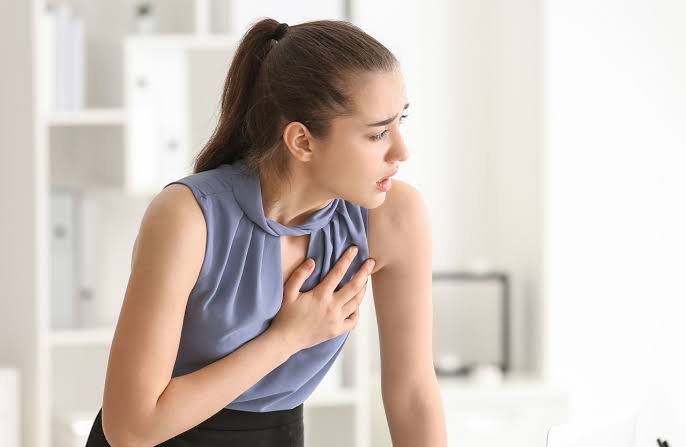
Women may experience heart attack symptoms beyond chest pain, including unusual fatigue, breathlessness, upper-body pain, nausea and dizziness. Recognising these warning signs can help prevent dangerous delays in treatment.
Heart Attack Signs Women Must Not Ignore
A woman may spend her entire day taking care of her family, managing household responsibilities, working and putting everyone else's needs before her own. When she feels exhausted, she may simply tell herself that she needs more rest. When she experiences nausea or discomfort in her back, she might assume it is indigestion or muscle pain. If she feels breathless, she may blame stress or a busy schedule. But sometimes, the body may be warning her about something much more serious. A heart attack does not always look like the dramatic scenes we see in movies. Although chest pain or discomfort remains the most common symptom in both women and men, women can also experience other warning signs that may be less obvious. Recognising these symptoms and seeking immediate medical attention can save lives.Why Are Heart Attack Symptoms in Women Often Overlooked?
Many women associate a heart attack with sudden, severe chest pain. However, symptoms can vary from person to person. Some women experience several symptoms together, while others notice discomfort that initially seems mild or unusual. These symptoms may be mistaken for acidity, indigestion, anxiety, exhaustion or everyday stress. Not every episode of tiredness or nausea indicates a heart problem. However, a possible heart attack must never be overlooked when unusual symptoms appear.1. Unusual Fatigue and Sudden Weakness
Feeling tired after a demanding day is normal. However, unexplained, unusual or overwhelming fatigue deserves attention, particularly when it occurs suddenly or alongside other warning signs. Some women experiencing a heart attack report feeling unusually weak or exhausted. Ordinary activities may suddenly become difficult, or they may feel that something is not right. Do not automatically dismiss sudden, unexplained exhaustion, especially if it occurs alongside breathlessness, chest discomfort, nausea or sweating.2. Shortness of Breath
Breathlessness can be another important warning sign. A woman may struggle to catch her breath while resting or find it unexpectedly difficult to perform an activity she normally manages without difficulty. Shortness of breath can occur with chest discomfort or even without it. Sudden or unexplained breathing difficulty requires urgent medical assessment. If it occurs alongside chest pressure, sweating, nausea or upper-body pain, treat the situation as a medical emergency.3. Pain in the Back, Neck, Jaw or Shoulders
Heart attack discomfort does not always remain in the chest. Some women experience pain or pressure in the upper back, neck, jaw or shoulders. They may initially think they slept in an uncomfortable position or strained a muscle. However, unexplained upper-body pain accompanied by breathlessness, sweating, nausea or chest pressure should never be ignored.4. Nausea, Vomiting or Indigestion
Digestive discomfort can sometimes accompany a heart attack. A woman may experience nausea, vomiting, stomach discomfort or a sensation resembling indigestion. If unusual stomach discomfort occurs with chest pressure, breathlessness, cold sweating, dizziness or upper-body pain, seek emergency medical help rather than assuming it is acidity.5. Chest Pressure, Tightness or Discomfort
Chest pain is still the most common heart attack symptom in women and men. It does not always feel like sharp or unbearable pain. It may feel like pressure, squeezing, heaviness, tightness or fullness in the centre of the chest. The discomfort may last several minutes, disappear and return, or develop gradually. Do not wait for severe chest pain before seeking help. Mild or intermittent discomfort can also be serious, particularly when accompanied by other warning signs.6. Dizziness or Lightheadedness
Feeling faint, dizzy or unusually lightheaded may occur during a heart attack. Some women may feel unsteady, weak or as though they might lose consciousness. These symptoms can have many causes, but sudden dizziness accompanied by chest discomfort, breathlessness or cold sweating needs immediate attention.7. Cold Sweating
Unexpected cold sweating can be another warning sign, especially when it appears alongside other heart attack symptoms. Cold sweating combined with nausea, chest pressure, breathlessness or pain in the back, jaw or arms should be treated as a potential emergency.8. Unusual Anxiety or a Feeling That Something Is Wrong
Some people experiencing a heart attack report unusual anxiety or a strong feeling that something is not right. Anxiety alone does not establish that someone is having a heart attack. Pay attention when a new, unusual feeling occurs alongside physical symptoms such as breathlessness, sweating, chest discomfort or nausea.What Should a Woman Do If She Suspects a Heart Attack?
Time matters during a heart attack. Prompt treatment can reduce damage to the heart muscle and improve the chances of survival.- Call emergency services immediately. In India, dial 112 or contact your local ambulance service.
- Stop physical activity and rest while waiting for help.
- Do not drive yourself to the hospital.
- Follow the emergency dispatcher's instructions.
- Do not delay seeking help to try home remedies or wait for symptoms to disappear.
Can Women Reduce Their Risk of Heart Disease?
Not every heart attack can be prevented, but taking care of cardiovascular health can help reduce risk.- Monitor blood pressure, blood sugar and cholesterol.
- Avoid tobacco and smoking.
- Eat a balanced diet with vegetables, fruits, whole grains, nuts and suitable protein sources.
- Stay physically active according to your individual health needs.
- Get adequate sleep and seek help for persistent stress.
- Attend regular health check-ups, especially when risk factors are present.