Women in Business

Women in Leadership: Egypt’s Initiatives to Empower Women in Business and Decision-Making

Oct 10, 2026 | By the yosheta
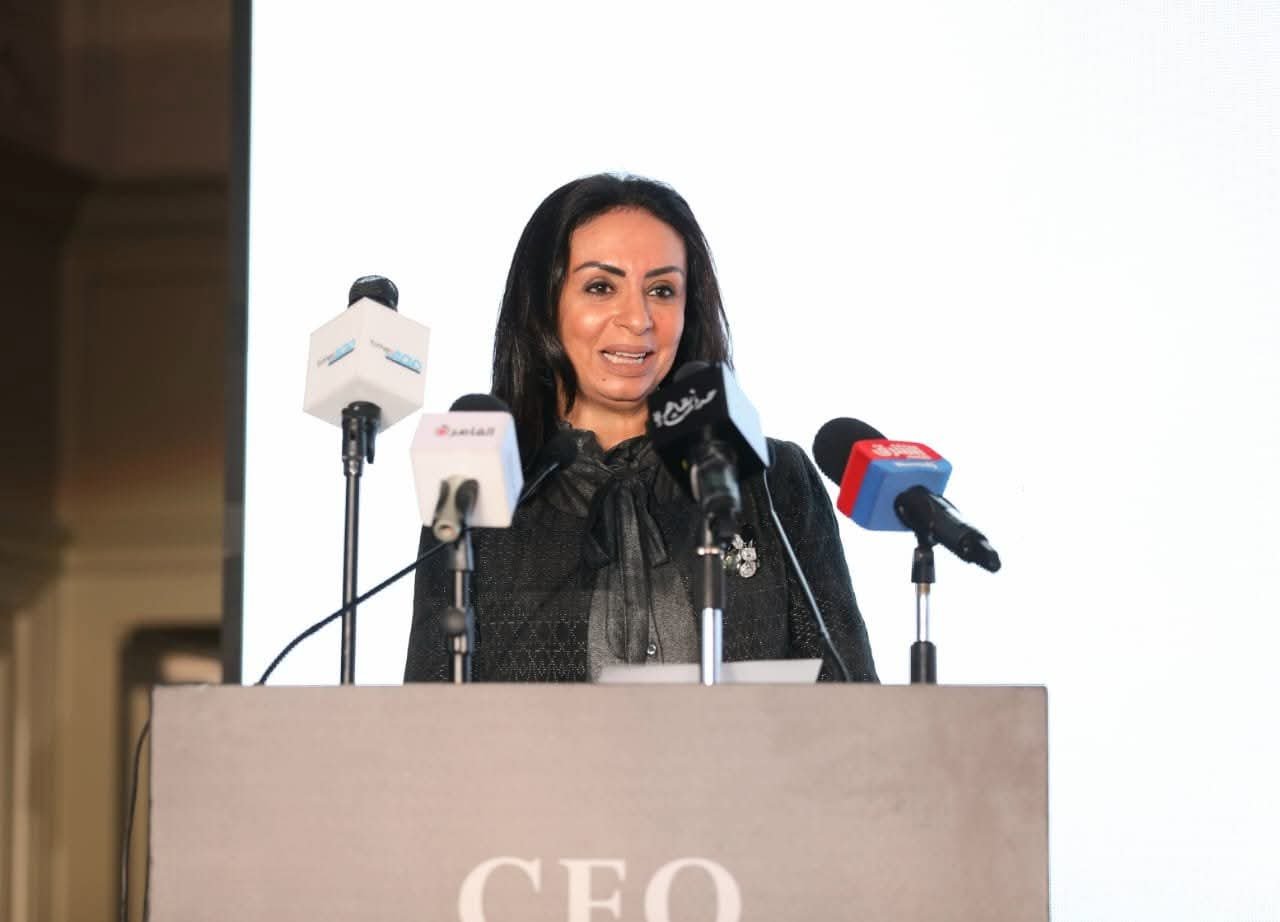
Women’s empowerment is not just about providing opportunities. It is about ensuring that women have an equal voice in leadership, business, financial decision-making, and economic development. On October 10, 2022, Egypt highlighted its initiatives to advance women's participation in leadership and business during the inaugural Arab Women CEOs Conference in Cairo. A speech delivered on behalf of Egyptian Prime Minister Mostafa Madbouly by Dr. Maya Morsy, then President of Egypt’s National Council for Women, outlined policies and programmes aimed at strengthening women's representation in decision-making positions. The conference brought together government representatives, business leaders, and women executives from Arab countries and Africa to discuss opportunities for women's leadership and economic participation.

Egypt’s National Strategy for Women’s Empowerment 2030

One of the major initiatives discussed was Egypt’s National Strategy for the Empowerment of Egyptian Women 2030. Adopted by President Abdel Fattah el-Sisi in 2017, the strategy was designed to support women's participation in economic, social, and political life, in line with Egypt Vision 2030 and the Sustainable Development Goals. The strategy established a target of increasing women's representation in senior management positions to 30% by 2030. It also emphasised the importance of monitoring progress, collecting data, and encouraging institutions to create more opportunities for women to advance into leadership roles. Egypt's initiatives included monitoring mechanisms intended to assess women's representation in leadership positions and identify areas where further progress was needed.

Why Women’s Representation on Corporate Boards Matters

Women's participation in corporate leadership is an important part of building inclusive workplaces and improving access to economic opportunities. The 2022 speech referred to studies suggesting that organisations with greater gender balance in management and on corporate boards can achieve stronger financial outcomes. According to figures presented in the speech, the Egyptian Women on Boards Observatory recorded women's representation on corporate boards at 16.7% in 2021, compared with 13% in 2020. This represented a reported annual growth rate of 28.5%. The speech also presented sector-specific figures for 2020 and 2021:
  • Non-banking financial sector: Women's board representation increased from 14.7% in 2020 to 18.6% in 2021.
  • Companies listed on the Egyptian Stock Exchange: Representation increased from 11.6% to 15.2% over the same period.
  • Banking sector: Women's representation rose from 13.7% in 2020 to 14.2% in 2021.
These figures illustrate the progress reported at the time, while also highlighting the continuing need to improve women's access to corporate decision-making positions.

Closing the Gender Gap in the Workplace

Egypt also introduced initiatives intended to encourage cooperation between government institutions and private businesses to address gender inequality in the workplace. One initiative discussed was the Gender Parity Accelerator, launched by Egypt's National Council for Women in cooperation with the Ministry of International Cooperation. Inspired by the World Economic Forum's approach, the initiative aimed to encourage practical action to reduce economic gender gaps. Its objectives included increasing women's participation in the workforce, addressing differences in pay, expanding women's access to management positions, and promoting greater gender equality in the future of work.

Promoting Gender Equality Through Business Certification

The speech also highlighted Egypt's efforts to promote workplace equality through the Egyptian Gender Equality Seal. This certification initiative was designed to help organisations improve their policies and practices concerning women's employment and professional development. The framework focused on four important areas:
  • Recruitment and employment practices.
  • Career development and professional advancement.
  • Work-life balance and family responsibilities.
  • Policies to prevent and address sexual harassment in the workplace.

Such frameworks can help organisations assess their workplace practices and build environments in which women have fair opportunities to develop their careers and reach leadership positions.

Legal and Financial Measures Supporting Women

Egypt's initiatives also included legal and regulatory measures intended to encourage equal opportunities for women in investment and business. The speech referred to Egypt's Investment Law No. 72 of 2017, which included provisions concerning equal investment opportunities. It also described measures introduced by the Financial Regulatory Authority to encourage women's representation on the boards of companies operating in the non-banking financial sector. Other initiatives included a mobile application called “Women's Empowerment,” intended to provide information about qualified women candidates for leadership positions and corporate board membership. Training programmes were also highlighted as an important step in preparing women to participate effectively in boardrooms. Representation is not only about increasing the number of women in leadership; it is also about ensuring that they have the knowledge, experience, and authority to contribute meaningfully to decisions.

Women, Innovation, and Green Entrepreneurship

Women's empowerment also extends beyond traditional corporate roles. The speech emphasised the importance of encouraging women entrepreneurs to participate in environmental initiatives, climate action, and green and smart projects. Technology can help women develop environmentally responsible businesses, introduce innovative solutions, and create employment opportunities within their communities. Supporting women-led enterprises can therefore connect economic empowerment with sustainable development. Women entrepreneurs can contribute to areas such as sustainable agriculture, waste reduction, environmentally friendly products, and climate-conscious business practices. Access to finance, skills training, technology, and professional networks can help these enterprises grow.

Protecting Women's Intellectual Property

Another important theme in the speech was intellectual property. Women's creativity, inventions, designs, and business ideas can become valuable economic assets when they receive appropriate protection. The National Council for Women, in cooperation with the World Intellectual Property Organization, had launched an entrepreneurship project aimed at helping women in local communities understand intellectual property rights and protect their businesses' creative assets. Greater awareness of intellectual property can help women entrepreneurs protect their original work, build stronger brands, and explore new commercial opportunities.

Building a Future Where Women Lead

The initiatives presented at the Arab Women CEOs Conference reflected Egypt's stated commitment, at the time, to expanding women's participation in leadership, business, finance, innovation, and public life. However, meaningful empowerment requires more than policies and numerical targets. Women also need access to education, professional networks, fair compensation, financial resources, safe workplaces, and opportunities to influence important decisions. Progress depends on continued cooperation among governments, businesses, educational institutions, and communities. Organisations must also evaluate whether their policies translate into real opportunities for women at every level of professional life. When women can participate equally in decision-making, their knowledge, creativity, and experience can contribute to stronger organisations and more inclusive economic development. Note: The statistics and policy descriptions in this article are based on the speech delivered at the Arab Women CEOs Conference in Cairo on October 10, 2022. They should not be interpreted as current figures or as confirmation of present-day policy status.

Frequently Asked Questions

What was the Arab Women CEOs Conference?

It was a conference held in Cairo on October 10, 2022, bringing together leaders and representatives to discuss women's participation in business and leadership across the Arab region and Africa.

What was Egypt's target for women in senior management?

Egypt's National Strategy for the Empowerment of Egyptian Women 2030 set a target of 30% representation for women in senior management positions by 2030.

How can companies support women in leadership?

Companies can improve fair recruitment, provide leadership training, support work-life balance, prevent workplace harassment, and create transparent pathways to promotion and board membership.

Why is intellectual property important for women entrepreneurs?

Intellectual property protection can help women safeguard original ideas, designs, inventions, and brands, allowing them to build and grow their businesses.

About The yoSHEta

The yoSHEta shares stories, ideas, and perspectives that encourage women to learn, grow, and participate in shaping a more inclusive future. Real Women. Real Stories. A Stronger Tomorrow.

More Stories You Will Love

Jahnabi Phookan: Empowering Women Through Lahé Looms
Alberta Premier Danielle Smith discussing Alberta's separation referendum and the province's future within Canada.
Alberta Premier Danielle Smith on Another Separation Referendum
Finding Peace in a Busy World : Work-Life…