1. Ginger May Help With Nausea
Ginger contains natural compounds called gingerols and shogaols. Research suggests that ginger may help relieve certain types of nausea, including pregnancy-related nausea in some people. However, ginger does not work for everyone. Pregnant women should consult a healthcare professional before using concentrated ginger supplements.2. Cloves Contain Antioxidant Compounds
Cloves contain eugenol, a natural compound studied for its antioxidant and other biological properties. Antioxidants help protect cells from oxidative damage. However, laboratory findings do not necessarily mean that drinking clove water will prevent diseases or produce the same effects in the human body.3. May Support Digestive Comfort
Ginger is traditionally used to ease certain digestive complaints. Some people find warm ginger tea soothing after a meal. Cloves are also widely used in traditional food preparations. However, strong scientific evidence that ginger-and-clove tea treats bloating, acidity, or other digestive disorders is limited. If you frequently experience stomach pain, persistent acidity, or other digestive problems, seek medical advice instead of relying only on home remedies.How to Make Ginger and Clove Tea at Home
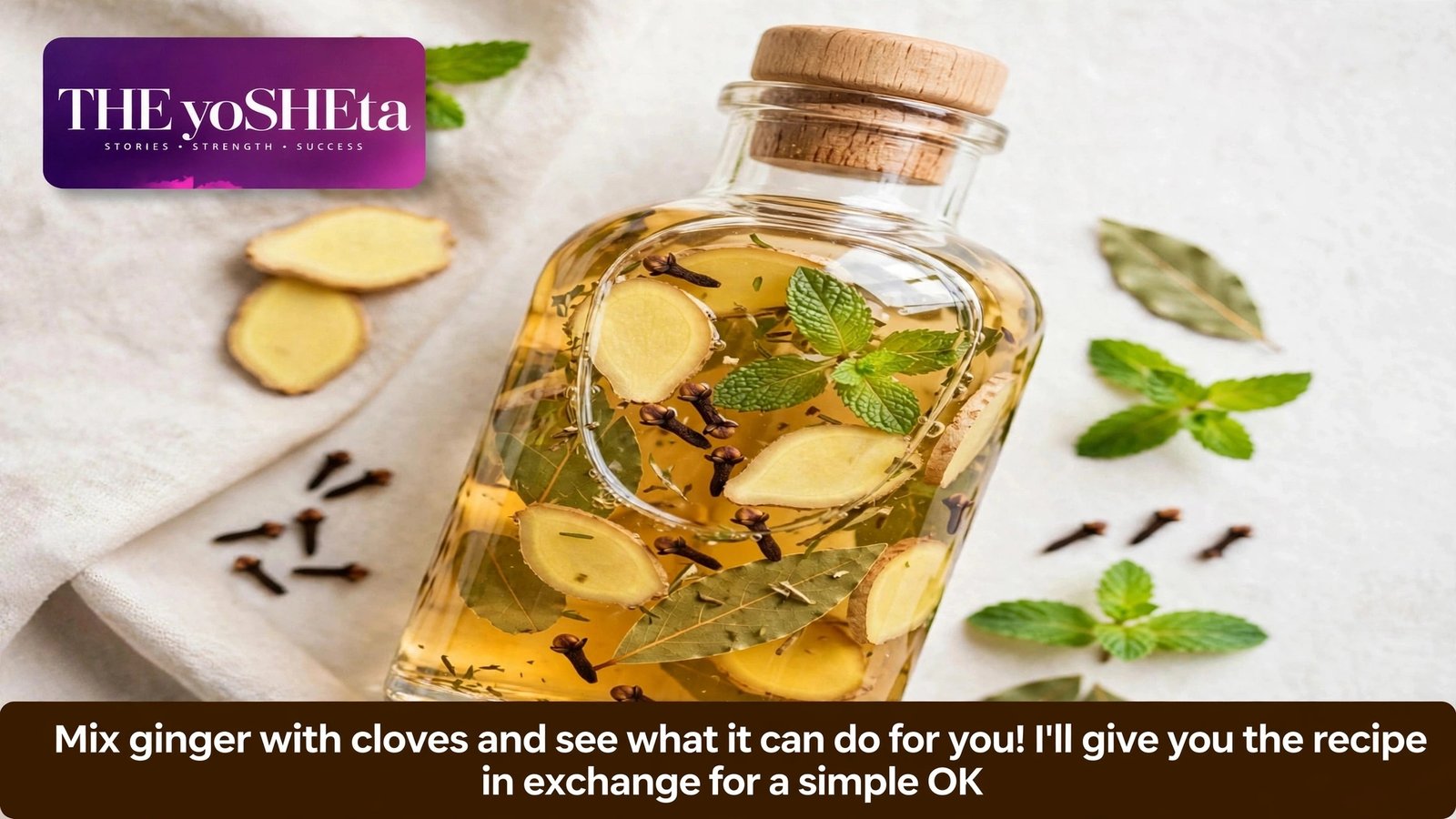
You can prepare a mild drink using a few everyday ingredients.Ingredients
- 1 small piece of fresh ginger
- 2 whole cloves
- 1 cup of water
- A little honey, if desired
Preparation Method
- Wash the ginger thoroughly and slice it into small pieces.
- Bring one cup of water to a gentle boil.
- Add the ginger slices and two cloves.
- Simmer for approximately 5–7 minutes.
- Strain the liquid into a cup and allow it to cool slightly.
- Add a little honey if you prefer a sweeter taste.
Can You Drink Ginger and Clove Tea Every Day?
There is no universally established daily dose for ginger-and-clove tea, and research on this exact combination is limited. Small culinary amounts may be suitable for many healthy adults, but individual tolerance varies. Ginger can cause heartburn or stomach discomfort in some people. People taking blood-thinning medicines, those with bleeding disorders, and individuals preparing for surgery should ask a healthcare professional about regular use of concentrated ginger or clove preparations. Important: Clove essential oil should not be consumed casually as a home remedy. Concentrated clove oil can be toxic, particularly in children, and excessive exposure may cause serious harm.What Ginger and Cloves Cannot Do
You may come across online claims that this combination melts belly fat, detoxifies the liver, balances hormones, cures infections, or controls diabetes. These claims should be treated cautiously. There is not enough reliable clinical evidence to establish that ginger-and-clove tea produces these results. No single drink can replace a balanced diet, adequate sleep, regular physical activity suited to your abilities, or appropriate medical care.The Bottom Line
Ginger and cloves can add flavour and warmth to a simple homemade beverage. Ginger has some evidence supporting specific uses, particularly for nausea, while cloves contain compounds that researchers continue to study. The combination may be enjoyable as part of your food habits, but it should not be viewed as a miracle cure. Enjoy these ingredients in moderation, understand their limitations, and seek professional advice when managing a health condition.Your health deserves reliable information, not exaggerated promises.Disclaimer: This article is for general educational purposes only and is not a substitute for professional medical advice.